

Wednesday, August 21, 2024
Empathy and Sympathy
Wednesday, August 21, 2024
Empathy and Sympathy
Empathy and Sympathy
People mix these two ideas all the time. They sound similar, but they move through the world in different ways. I learned this through classrooms, street moments, and quiet conversations with people who carry more weight than they can explain. Sympathy notices pain. Empathy steps into it.
Sympathy sits on the outside. It says, “I see you hurting.” It can be genuine. It can be honest. It can even feel comforting in small doses. Sympathy does not require much risk. It lets a person stay in their own shoes and comment from a safe distance. It offers a soft word. It offers an expression of concern. It does not require a shift in perspective. It does not ask you to feel what the other person feels. It keeps you separate.
Empathy moves closer. It places you inside the person’s experience. It asks you to feel with them. It asks you to hold the weight they are carrying long enough to understand their situation. Empathy requires imagination and humility. It requires patience. It asks you to slow down and listen. It creates a bridge between two lived experiences. It says, “I am here with you, and I am willing to understand this from your side.”
Empathy changes the giver. It softens the heart. It sharpens awareness. It makes a person more responsible for the people around them. Sympathy comforts from a distance. Empathy connects in the middle of the storm. People feel the difference. You can see it in their body language. You can hear it in their voice. You can feel the shift when someone knows they are not facing something alone.
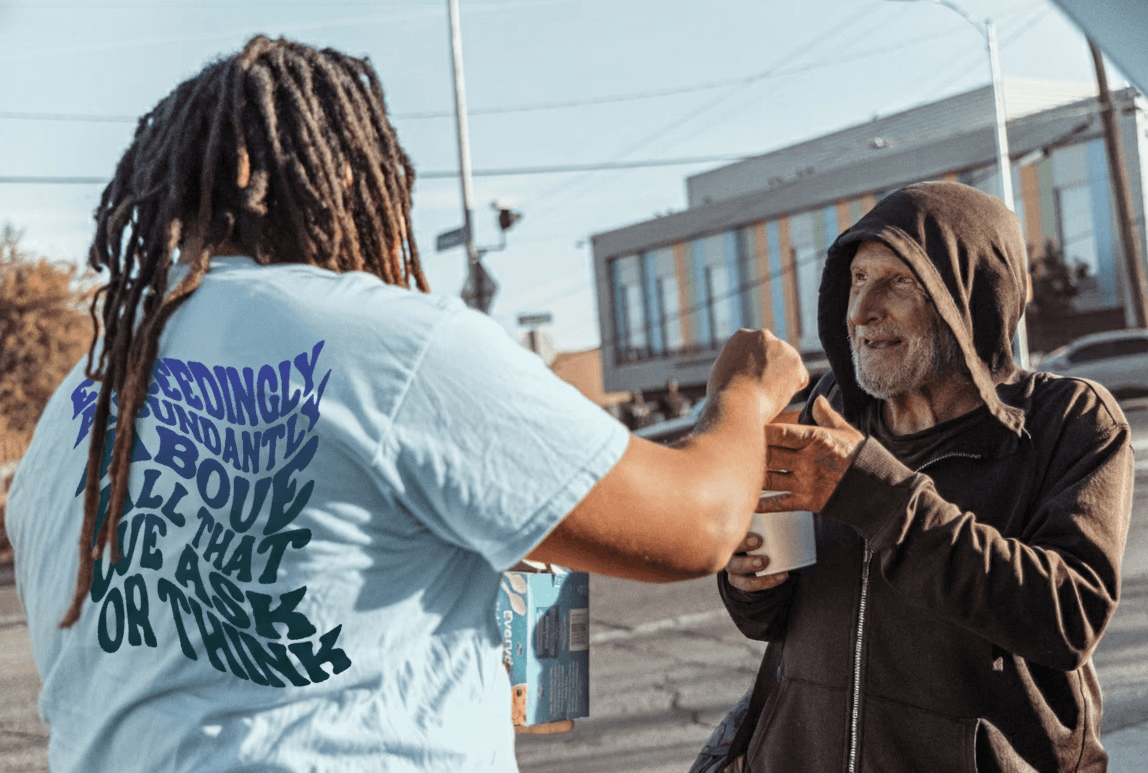
The power of empathy shows up in real life. When a student melts down and everyone else sees behavior, empathy sees fear. When a houseless person gets mistreated, empathy sees a soaked and hungry human being who deserves dignity. When someone snaps out of frustration, empathy listens for exhaustion. These moments build culture. They train us to respond to humanity instead of reacting to inconvenience.
Sympathy has a place. It signals awareness. It acknowledges that someone is hurting. Empathy does more. It repairs what apathy destroys. It teaches us to move with compassion that requires effort. It builds trust in spaces where people rarely feel seen. It shapes the culture because it pulls people closer instead of letting them drift away.
Empathy turns into action. It feeds people. It advocates for people. It protects people. It changes the tone of a room. It creates safety. That is the work we are called to do. That is the type of presence that shapes a culture into something healthy.
The growth begins when we stop settling for sympathy alone. The growth continues when we practice empathy until it becomes instinct. That instinct builds the type of community we keep talking about. The type we are responsible for shaping.
Empathy and Sympathy
People mix these two ideas all the time. They sound similar, but they move through the world in different ways. I learned this through classrooms, street moments, and quiet conversations with people who carry more weight than they can explain. Sympathy notices pain. Empathy steps into it.
Sympathy sits on the outside. It says, “I see you hurting.” It can be genuine. It can be honest. It can even feel comforting in small doses. Sympathy does not require much risk. It lets a person stay in their own shoes and comment from a safe distance. It offers a soft word. It offers an expression of concern. It does not require a shift in perspective. It does not ask you to feel what the other person feels. It keeps you separate.
Empathy moves closer. It places you inside the person’s experience. It asks you to feel with them. It asks you to hold the weight they are carrying long enough to understand their situation. Empathy requires imagination and humility. It requires patience. It asks you to slow down and listen. It creates a bridge between two lived experiences. It says, “I am here with you, and I am willing to understand this from your side.”
Empathy changes the giver. It softens the heart. It sharpens awareness. It makes a person more responsible for the people around them. Sympathy comforts from a distance. Empathy connects in the middle of the storm. People feel the difference. You can see it in their body language. You can hear it in their voice. You can feel the shift when someone knows they are not facing something alone.
The power of empathy shows up in real life. When a student melts down and everyone else sees behavior, empathy sees fear. When a houseless person gets mistreated, empathy sees a soaked and hungry human being who deserves dignity. When someone snaps out of frustration, empathy listens for exhaustion. These moments build culture. They train us to respond to humanity instead of reacting to inconvenience.
Sympathy has a place. It signals awareness. It acknowledges that someone is hurting. Empathy does more. It repairs what apathy destroys. It teaches us to move with compassion that requires effort. It builds trust in spaces where people rarely feel seen. It shapes the culture because it pulls people closer instead of letting them drift away.
Empathy turns into action. It feeds people. It advocates for people. It protects people. It changes the tone of a room. It creates safety. That is the work we are called to do. That is the type of presence that shapes a culture into something healthy.
The growth begins when we stop settling for sympathy alone. The growth continues when we practice empathy until it becomes instinct. That instinct builds the type of community we keep talking about. The type we are responsible for shaping.
“Rejoice with those who rejoice; weep with those who weep.” Romans 12:15, CSB
“Rejoice with those who rejoice; weep with those who weep.” Romans 12:15, CSB
Related Blog
Related Blog

November 23, 2025
November 23, 2025
November 23, 2025

October 15, 2025
October 15, 2025
October 15, 2025
October 8, 2025
October 8, 2025
October 8, 2025